
Katyń Massacre Timeline: 1939 – present
This page is best viewed on a tablet or PC monitor
Click images to enlarge
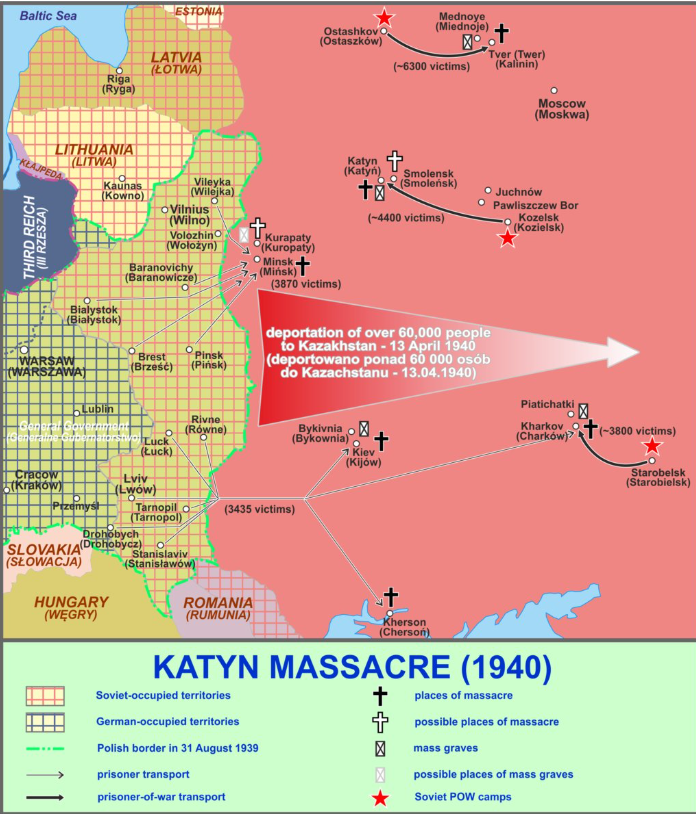
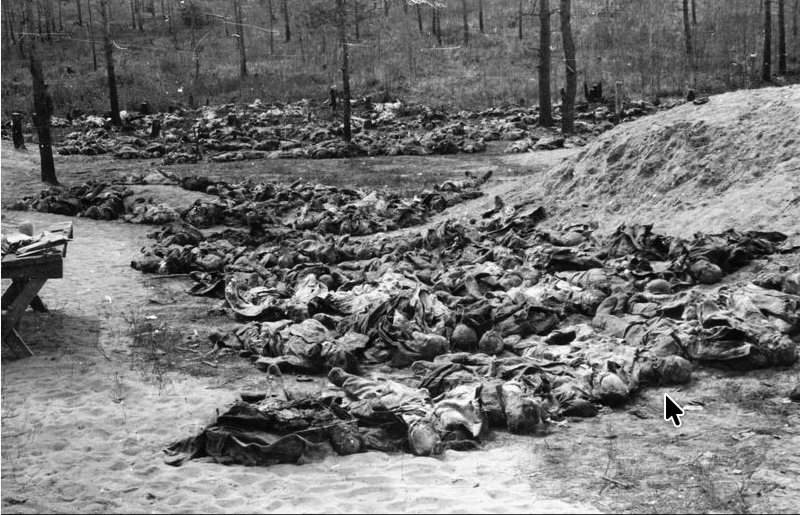
In 1943 following the German invasion of the Soviet Union, the bodies of Polish military officers, police, and intelligentsia were discovered in woods in Katyń near Smolensk on Soviet soil. 4,143 corpses were unearthed. German investigators reported that the they had been shot by the Soviets.
In The Soviet Union successfully enforced a state lie blaming Nazi Germany. The “Katyn Lie” was a pillar of Soviet propaganda, used to discredit the pre-war Polish state and legitimise the new communist administration installed by Stalin.
For nearly 50 years, the Katyn Massacre served as a persistent source of friction and a symbol of Soviet oppression.
The Western Allies—primarily the United States and United Kingdom—were complicit in covering up the Katyn Massacre to preserve their wartime alliance with the Soviet Union against Nazi Germany.
Despite possessing strong evidence of Soviet guilt as early as 1943, Western governments actively suppressed the truth and supported the
Soviet narrative blaming Germany.
These are the events that tell the story.
The truth was not told until 1990.
|
Date |
Event(s) |
|---|---|
|
1939 | |
|
August 23 |
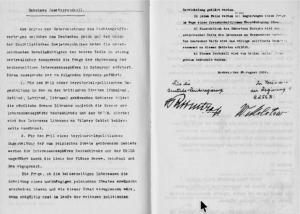
Molotov-Ribbentrop Pact is signed by Nazi Germany and the Soviet Union in a neutrality pact, delineating the spheres of interest between the two powers; it provides a written guarantee of non-belligerence by each party towards the other; and declares commitment that neither government will ally itself to or aid an enemy of the other party. |
|
September 1 |
World War II begins; Germany invades Poland from the west. |
|
September 17 |
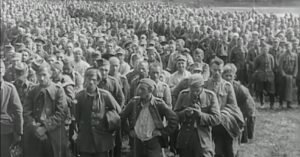
The Soviet Union invades Poland from the east. Around 25,000 Polish military officers, senior NCOs, police officials, intellectuals and priests (ie Polish Elite) are arrested and interned on the territory which is now western Ukraine and western Belarus. They are either imprisoned locally or sent eastward to three special prisoner-of-war camps |
|
September 19 |
Lavrentiy Beria orders the creation of the NKVD Administration for Affairs of Prisoners of War and Internees and for the Polish Elite POWs to be sent to camps administered by the NKVD in Kozelsk and Ostashkov in western Russia and Starobilsk in eastern Ukraine. There, they undergo lengthy interrogation and pressured to submit to Soviet loyalty. |
|
1940 | |
|
February 10 |
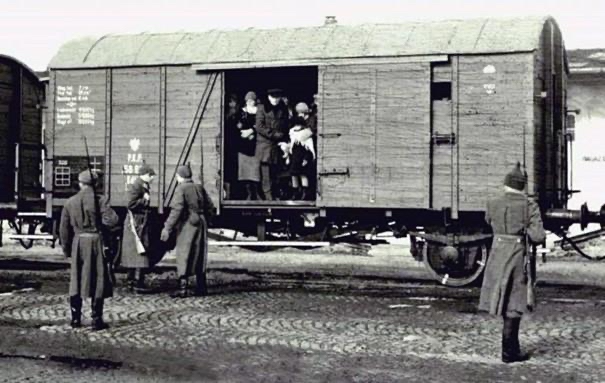
The first of four deportations removing between 1-2 million Poles from the Kresy (eastern Borderlands), Ukraine and Belarus to Kazakhstan and other remote Soviet locations. |
|
March 5 |
The Soviet Politburo declares most Polish POWs and some of the elite in captivity “enemies of the Soviet Union” and orders death sentences for all of them, fearing that, if released, they will organise resistance movements against the Soviet occupation. |
|
Spring |
Over a period of weeks, more than 20,000 Poles are massacred by the Soviet NKVD killing squads. The murders are carried out at various sites and bodies are taken for mass burials to the Katyń forest in western Russia and other locations. |
|
October 26 |
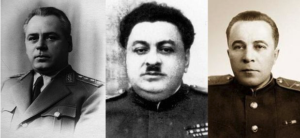
Beria orders the decoration of 125 NKVD staff involved in the Katyń operation. The entire operation was supervised by a troika of high-ranking NKVD officials: Vsevolod Merkulov, Bogdan Kobulov, and Leonid Bashtakov, who reviewed and authorised the execution lists. Merkulov and Kobulov were executed on 23 December 1953 along with Beria. Bashtakov was imprisoned in 1955. |
|
1941 | |
|
June 22 |
Germany attacks the Soviet Union via Soviet-occupied Poland. Its objectives were to destroy the Soviet military power, control oil reserves, industrial capacity and agricultural assets, advance Nazi ideology and eliminate the Soviet Union as a military threat. Stalin join the Allies against Hitler. |
|
30 July |
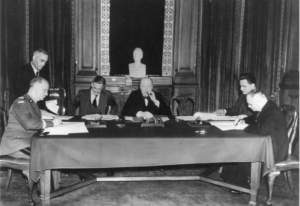
An agreement is signed between the Polish Government-in-Exile (located in London) and the Soviet Union. Present were Prime Minister Sikorski, Anthony Eden Foreign Minister, Prime Minister Churchill and Ivan Mayski Soviet Ambassador. The Soviet Government renounces territory gained under the Molotov-Ribbentrop Pact and grants “amnesty” to Poles held prisoner in the Soviet Union.They are released for the formation of a Polish Army on Soviet territory. |
|
August 6 |
General Władysław Anders is appointed Commander of the Polish Army on Soviet territory. |
|
December 3 |
When General Anders requests that 15,000 Polish POWs whom the Soviets had once held at camps near Smoleńsk be transferred to his command, the Soviet government informs him that most of those prisoners have escaped to Manchuria and cannot be located. |
|
1942 | |
|
March |
German occupiers learn of unmarked graves in Katyń, Mednoje (Mednoye), Piatichatki (Piatykhatky) and Bykownia (Bykivnia) but do not announce it until the following year. |
|
1943 | |
|
April 13 |
Nazi propaganda chief, Joseph Goebbels, announces the discovery of mass graves in their area of occupation containing a total of 4,443 corpses, of which over 1,700 are bodies of Polish officers who were shot in the back of the head. Goebbels hopes public knowledge of the Soviet crime will sow distrust between the Soviet Union and the Western Allies and weaken their alliance. |
|
April 15 |
The Soviet authorities flatly reject the German accusations arguing that the Germans themselves committed the deed when they occupied the area in July 1941. |
|
April 17 |
Polish Red Cross Technical Commission arrives in Katyń on the invitation of the Germans to supervise the humanitarian aspects of the exhumation and identification of the bodies. They continued until June gathering evidence of victims’ identities and recovering belongings. |
|
April 24 |
Churchill, realising that bringing up the issue of Katyń at this stage would jeopardise the Alliance with the Soviet Union, informs Stalin that Great Britain will oppose any investigation of Katyń. |
|
April 25 |
The Soviet Government breaks diplomatic relations with the Polish Government-in-Exile in London citing the appeal to the ICRC as one of the grounds. The Soviets then set about establishing a Polish Government composed of Polish communists. |
|
April 28 |
Invited by the Germans, The International Medical Commission start their investigation to establish when and how the victims died. |
|
April 30 |
The International Medical Commission completes its investigation concluding that the Soviet Union is responsible for the atrocity. The commission’s opinion is that the men were shot to death in the Spring of 1940. |
|
May 1 |
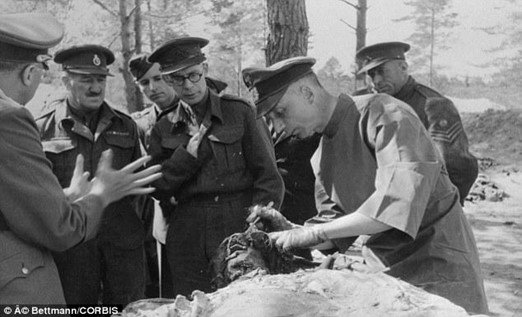
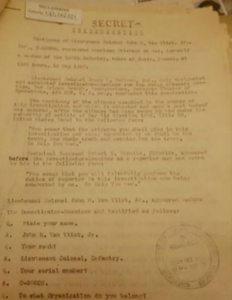
As part of the Nazi propaganda effort, the Germans bring a group of American and British POWs to Katyń, including US Lt. Col. John H Van Vliet, to witness the exhumations. Vliet’s contemporary evidence recorded proof of Soviet responsibility for executions. It mysteriously vanished from official files, fuelling long-term investigations into whether the U.S. government suppressed evidence of Soviet guilt to protect its wartime alliance with Joseph Stalin. |
|
May |
Dr Jan Zygmunt Robel, a prominent Polish chemist and forensic toxicologist, begins work on the materials recovered from the Katyń pits. He played an invaluable, highly secretive role in preserving the historical truth of this crime. |
|
June |
The Polish Red Cross compiles its final documentation and reports after completion of the exhumations. The Polish Red Cross concentrated on who the victims were, the condition of the graves, clothing, personal effects, and documenting the exhumations. It deliberately refrained from formally assigning responsibility, consistent with its humanitarian mission |
|
July 4 |
General Sikorski dies in a plane crash under suspicious circumstances. |
|
August 7 – October 2 |
Since the Battle of Stalingrad, the Soviet army forced into a German retreat which led to a two month battle at Smoleńsk. |
|
November |
After the Red Army occupies Smoleńsk, the Soviet Union appoints an NKVD commission of inquiry of its own. It begins top secret work with the local NKVD falsifying evidence and removing all evidence of Soviet guilt, blaming the Germans for the Katyń murders. |
|
1944 | |
|
January 13 |
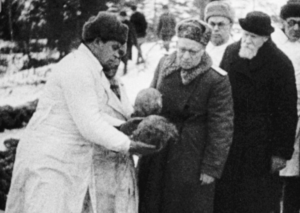
Nikolai Burdenko, Director of USSR Academy of medical Sciences, is appointed Chairman of the Special Commission to investigate the Katyń graves. |
|
January 26 |
Official findings conclude that the Germans had murdered the Polish officers in the autumn of 1941. This became the official Soviet position until 1990. |
|
Late April early May |
Churchill asks Sir Owen O’Malley (British Ambassador to the Polish Government-in-Exile) to prepare an independent assessment of the evidence available to the British government. |
|
May 31 |
In his report to Anthony Eden, O’Malley asserts Soviet guilt for the Katyń massacres. Churchill minutes, “All this is merely to ascertain the facts, because we should none of us ever speak a word about it.” |
|
1945 | |
|
May 8 |
World War II in Europe ends. |
|
February |
Robel’s Archive is removed from Kraków to the West but lost in a fire during transportation at Radebeul. Secret copies are hidden in Poland or spirited away to London and some material, including prisoners’ diaries surface after the war. |
|
June |
Dr Roman Martini, a Polish Prosecutor, begins his investigation into the Katyń massacre for the new Polish Communist authorities. He prosecuted individuals like Ferdynand Goetlow for allegedly spreading anti-Soviet propaganda regarding the massacre. |
|
1946 | |
|
30 March |
Dr Martini is murdered. Jolanta Słapa and Stanisław Lubicz-Wróblewski, confessed to the crime for personal motives (revenge and robbery) replacing earlier conspiracy theories. |
|
01-02 July |
At the International War Crimes Tribunal at Nűremberg, the Soviet Prosecutors attempt to add responsibility for Katyń to the list of charges against the senior surviving Nazi leaders. However, the defence is able to call witnesses to refute the accusations of German responsibility. As a result, the Tribunal does not add Katyń to its list of charges, but neither does it make any judgement regarding ultimate responsibility. |
|
1948 | |
|
1948 |
The Katyn Murder in the Light of New Evidence (Zbrodnia katyńska w świetle dokumentów) is published. Józef Mackiewicz compiled documents regarding the massacre. primarily while serving with the Polish II Corps in Italy with an introduction by General Władysław Anders. |
|
1950 | |
|
July 2 |
A United States Congressional Inquiry concludes and most Western historians now believe that the massacre was committed at the behest of the Soviet authorities. |
|
1951 | |
|
September 18 |
Subsequent to the inquiry, Congress sets up a committee to investigate the Katyń crimes after questions about the whereabouts of the missing Van Vliet report from 1945. Even ahead of the formal establishment of the committee, Van Vliet in 1950 makes a second written report on his impressions from Katyń. |
|
1952 | |
|
July 2 |
A United States Congressional Madden Committee finds the NKVD responsible and the Soviets are to blame for the massacre. It faults Roosevelt’s administration for suppressing public knowledge of the truth. The report suspects that pro-Soviet sympathisers within government agencies buried knowledge about Katyń. |
|
1971 | |
|
April |
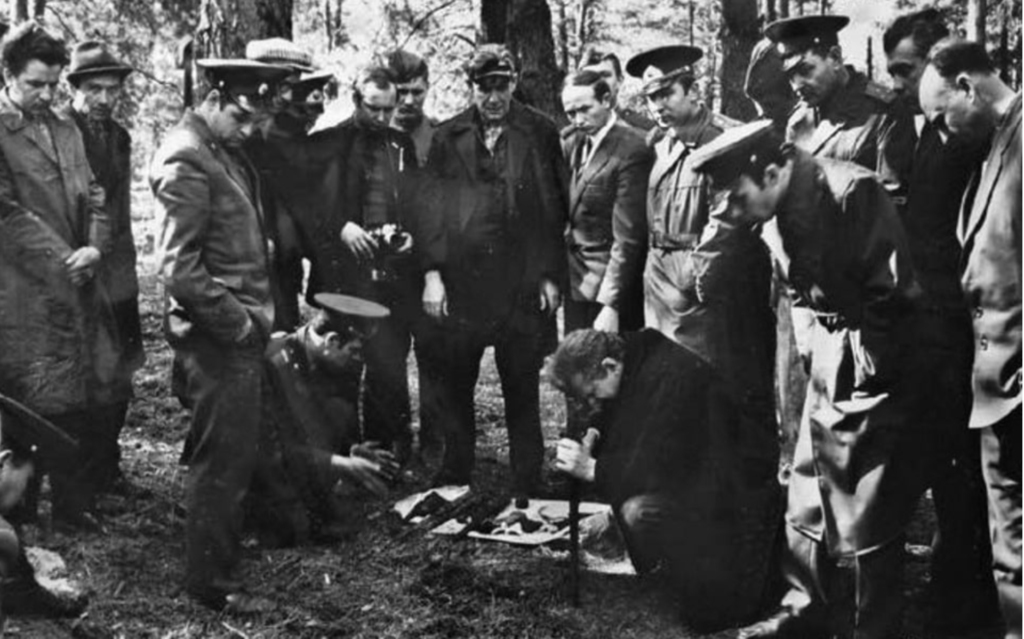
The KGB, successor to the NKVD, is put in charge of investigating burial sites in Bykownia. It is set to confirm the Soviet version that the burials are the result of Nazi killings in the Kyiv area in 1941-1943. The Soviets secretly burn revealed victims’ personal belongings and heavy bulldozers level the surface with a 2-meter layer of earth, in between crushing human remains and mixing them with the soil. |
|
1976 | |
|
September 18 |
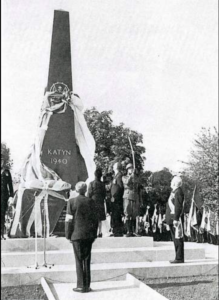
The first monument in the world dedicated to the victims of the Katyń massacre is unveiled in Gunnersbury Cemetery in Acton, London. It is dedicated to the 14,500 Polish prisoners of war who disappeared in 1940. It is funded entirely by public donations from the UK Polish community, particularly the ex-combatant associations and the Anglo-Polish Society despite opposition from Soviet and British governments. |
|
1987 | |
|
December 24 |
Russian State Commission commences another investigation in Bykownia but its conclusion repeats the official Soviet narrative that these were victims of German crimes. It was to be the last investigation to place responsibility on the Germans. |
|
1988 | |
|
November |
The newspaper Literaturnaya Ukraina publishes evidence that challenges the official version. |
|
December 5 |
The Procuracy of the Ukrainian SSR open Criminal Case No. 50-0092 and the government reconstitutes the 1987 commission with a broader remit. |
|
1989 | |
|
March 21 |
The commission formally acknowledges that the remains were those of victims of Stalinist political repression rather than Nazi atrocities. |
|
August 24 |
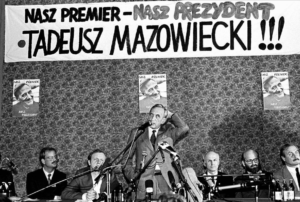
The Polish parliament elects Tadeusz Mazowiecki, a leading adviser to Solidarność (Solidarity), as Prime Minister. This marks the first non-Communist government in Poland since the Second World War and the first such government in the Soviet bloc. |
|
September 13 |
Mazowiecki’s Solidarity-led Council of Ministers (government) is formally approved by parliament and took office. |
|
October 9 |
Poland’s Prosecutor General, Józef Żyto, formally requests that the Soviet Prosecutor General open an investigation into the Katyn massacre. This is one of the first official actions by the new post-communist authorities directly treating the USSR as the responsible party. |
|
1990 | |
|
April 13 |
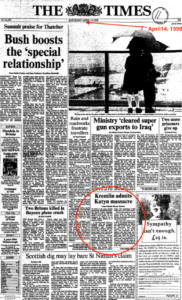
During President Wojciech Jaruzelski’s visit to Moscow, the Soviet government under Mikhail Gorbachev officially admits that the NKVD had carried out the massacre. The NKVD execution order listed 21,857 victims’ names. The locations of previously unknown mass graves were also disclosed at Mednoje and Piatichatki. The Polish government accepted this as confirmation of what it had already been asserting and seeking to prove. |
|
1991 | |
|
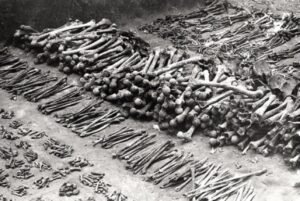
July 25 – August 7 |
A Polish team led by Stefan Śnieżka, then Deputy Attorney General of the Republic of Poland, starts exhumations at Piatichatki, a forested area located on the edge of Kharkiv, now Ukraine. |
|
August |
Stefan Śnieżka’s team turn their attention to Mednoje. Located approximately 180 kilometres north-west of Moscow, this area was never occupied by Nazis but remained under Soviet control at all times; the exhumations in Mednoje are of particular evidentiary value. |
|
October 25 |
Excavations are carried out at Katyń as part of the investigation. |
|
November 20-21 |
Russian Chief Military Prosecutor investigates the Katyń case. Some of the materials secretly archived by Jan Zygmunt Robel’s team in 1943-1945 are discovered in a building in Kharkiv. |
|
1992 | |
|
May 23 |
Polish President Lech Wałęsa visits Katyń saying “Katyn is a symbol of the truth about our relations. It is also a symbol of sincerity between our nations. The issue of these graves, and the truth about them, served as a pretext for the severing of relations between the Soviet and Polish governments in 1943. The lie about these graves was used to consolidate the imposed government, first in Lublin and then in Warsaw.” |
|
October 14 |
The Russian government releases documents proving that the Soviet Politburo and the NKVD were responsible for the massacre and cover-up, and reveals that there may have been more than 20,000 victims. |
|
October 27 |
A Russian-Polish bilateral agreement is signed to maintain and protect extra-territorial memorial sites. Katyń families visit Moscow at the invitation of Boris Yeltsin. |
|
1993 | |
|
August 25 |
Boris Yeltsin kneels before the Katyń cross in Warsaw and asks the Polish nation, “Forgive us if you can.” |
|
1994 | |
|
February 22 |
Government of the Russian Federation and the Government of the Republic of Poland sign a bilateral Agreement to establish the legal framework for the joint creation and maintenance of memorial sites. |
|
5 May |
Ukraine hands over to Poland the files of 3,435 Polish citizens arrested in the western regions of Soviet Ukraine—the so-called Ukrainian Katyn List (also known as Tsvetukhin List after Petro Tsvetukhin). This enabled Polish investigators to begin linking those victims with Bykownia. |
|
July 20 |
Alexander Lukashenko becomes President of Belarus. |
|
September 5 – 15 |
A Polish research team led by the archaeologist Prof. Marian Głosek starts investigations in Katyń. The team includes archaeologists; forensic scientists: anthropologists, falerists, a historian, representatives of the Polish Red Cross, photographers and Father Zdzisław Peszkowski. |
|
1995 | |
|
1995 |
President Lech Wałęsa declares 1995 the “Year of Katyń” in Poland, marking the 55th anniversary of the massacre and promoting nationwide commemorations. |
|
January 31 |
Smoleńsk Procuracy confirms the presence of mass Soviet burial sites at Katyń. |
|
March 25 |
Russian-Polish protocol is signed agreeing construction of Polish military cemeteries within memorial complexes in Katyń and Mednoje. |
|
June 4 |
On the 55th anniversary of the Massacre, the President of the Republic of Poland, Lech Wałęsa, lays the foundation stone – which had been consecrated by His Holiness Pope John Paul II – for the construction of the cemetery. |
|
June 3 -September 22 |
A team under the leadership of Professor Andrzej Kola continues exhumations at Piatichatki. |
|
June 6 -September 8 |
The Polish research team led by the archaeologist Prof. Marian Głosek returns to Katyń to continue their research. The team identifies the locations of five original mass graves of Polish prisoners of war from the Kozielsk camp. |
|
1996 | |
|
May 27 – September 14 |
Andrej Kola’s team completes exhumations. |
|
October 19 |
In accordance with the protocol signed with the Polish Government the previous February, Prime Minister Viktor Chernomyrdin signs Russian Government Resolution No. 1247, entitled: |
|
1998 | |
|
1998 |
Additional explorations at Katyń take place. The construction of Katyń Memorial Complex commences. |
|
2000 | |
|
July 28 |
Official opening and dedication of the completed Polish War Cemetery at Katyń followed by Mednoje the next day and Piatichatki the day after. |
|
2003 | |
|
January |
Włodzimierz Odojewski publishes his novel “Silent Undefeated”, a Katyń story originally commissioned by Andrzej Wajda with the view to a future film project. |
|
2004 | |
|
September 21 |
The Russian Chief Military Procuracy investigation of Katyń is closed without identifying or prosecuting those responsible. The Russian authorities concluded that the killings did not constitute genocide and classified much of the case file, making it unavailable to Polish prosecutors. |
|
November 30 |
Following the outcome of the Russian investigation, the Polish Institute of National Remembrance launches its own Katyń investigation. |
|
2007 | |
|
September 17 |
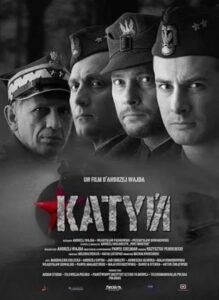
Wajda’s film “Katyń” premieres in Poland and then across the world throughout 2008 and 2009 including Russia on 18 March 2008. |
|
November 14 |
The Polish Sejm declares the commemoration held each year on April 13 as “The Worldwide Day of Memory of Victims of the Katyń Crime”. The date marks the anniversary of the German announcement in 1943 and the Russian admission of guilt in 1990. |
|
November 19 |
Relatives of 12 Katyń victims lodge an application to the European court of Human Rights on the grounds that the Russian military prosecutor’s investigation was ineffective, was terminated without identifying or prosecuting those responsible, failed to rehabilitate victims under Russian law as victims of political repression, denied access to official information and families were treated in an inhumane and degrading manner during the process. |
|
2009 | |
|
July |
The consecration of memorial stone in the Katyń Valley of Death in marking mass graves of Soviet terror victims takes place. |
|
2010 | |
|
April 7 |
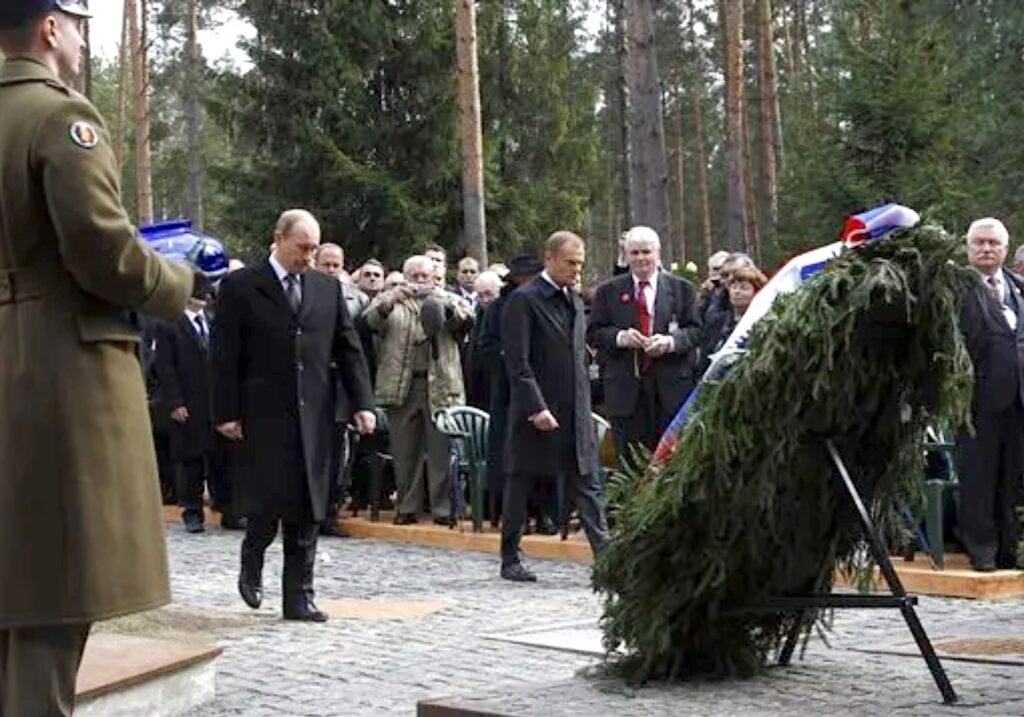
The Russian Prime Minister, Vladimir Putin, joins Polish Prime Minister, Donald Tusk, at a ceremony commemorating the massacre at Katyń, marking the first time that a Russian leader has taken part in such a commemoration. |
|
April 10 |
A plane carrying Polish President, Lech Kaczyński to commemorate the 70th anniversary of the massacres crashes near Smoleńsk killing all 96 members of the delegation. Victims include his wife, the head of the national security bureau, the president of the national bank, the army chief of staff, and a number of other Polish government officials. |
|
August 10 |
Russian President, Dmitry Medvedev, awards film director Andrzej Wajda the Order of Friendship for his “great contribution to the development of Russian-Polish relations in the field of culture,” recognising in particular his role in fostering dialogue through his film Katyń. |
|
November 26 |
The Russian State Duma adopts its landmark declaration On the Katyn Tragedy and its Victims, acknowledging that the massacre had been carried out on Stalin’s direct orders and calling for continued archival research, verification of the lists of victims, restoration of victims’ good names, and clarification of the remaining circumstances of the crime. |
|
2011 | |
|
October 21 |
Russian Foreign Minister Sergey Lavrov states that Russia was prepared to consider a formal request for the legal rehabilitation of the victims of the Katyń massacre, provided it could be resolved within the framework of Russian law. Although the announcement raised hopes of a change in policy, no general rehabilitation of the victims subsequently takes place. |
|
2012 | |
|
September 10 |
The US National Archives releases about 1,000 pages of newly-declassified records related to the Katyń massacre. Among them are the newly-declassified US army documents proving that two American POWs, Stewart and Van Vliet, wrote encoded messages to Army intelligence, MIS-X, soon after their 1943 visit to Katyń, pointing to Soviet guilt. |
|
September 21 |
The Polish War Cemetery at Bykownia is officially opened by the Presidents of Poland and Ukraine, recognising the site as the burial place of Polish victims of the 1940 NKVD executions. |
|
2013 | |
|
October 21 |
The European Court of Human Rights rules that Russia failed to comply with its obligations to adequately investigate the massacre of more than 20,000 Polish Prisoners-of-War by the Soviet Secret Police in 1940. But the court says it has no jurisdiction over the massacre itself or the subsequent treatment of the relatives of the dead. |
|
2018 | |
|
April 20 |
The reconstructed Russian section of the Katyń Memorial Complex is officially reopened. A new museum and exhibition centre, Memorial Wall and the monument Shooting are unveiled. The reconstruction does not alter the adjacent Polish War Cemetery, but the accompanying historical exhibition later attracts criticism in Poland for its interpretation of Polish–Russian relations. |
|
2021 | |
|
|
The Katyń Memorial Complex is reorganised as a branch of the State Central Museum of Contemporary History of Russia, following which the memorial’s historical interpretation increasingly reflected official Russian state narratives. |
|
2022 onwards | |
|
|
Following Russia’s invasion of Ukraine in 2022, joint Polish–Russian commemorations end and instead are held separately. Disputes over the memorial sites intensify and Polish national symbols and flags removed and the Russian section expanded. The removal is condemned by the Federation of Katyn Families and The Office for War Veterans and Victims of Oppression (UdsKiOR) authorities as a breach of the 1994 agreement between the governments of Poland and Russia concerning these graves and memorial sites. |
|
2026 | |
|
April |
Russian authorities open an exhibition entitled “Ten Centuries of Polish Russophobia” at the Katyn memorial complex, close to the mass graves. The exhibition has been condemned as historical revisionism and as a return to the Soviet-era narrative concerning Katyn supported American academic Grover Furr. The Hoover archives provide an alternative perspective. |
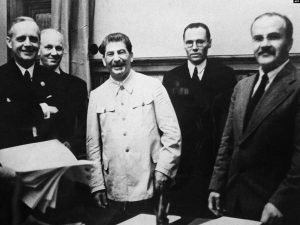
Signing of the German–Soviet Pact
Secret Supplementary Protocol setting out division of territory
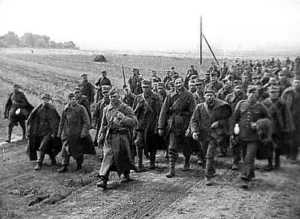
POWs captured at the Battle of Władypol on 27 September near Sambor
Polish soldiers caught by surprise into Soviet captivity,
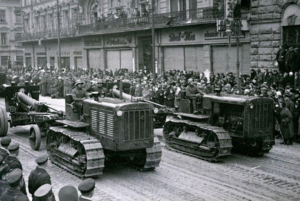
Soviet military parade in Lwów 28 September
Deportations under armed guard in wagons without sustenance or hygiene facilities.
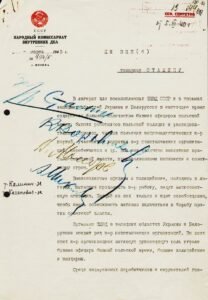
Execution order signed by Stalin, Voroshilov, Mikoyan and Molotov.
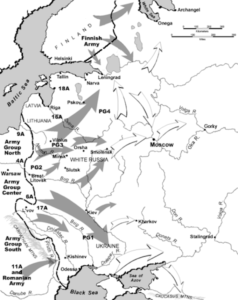
Operation Barbarossa was the largest military operation in human history.
Signing of Sikorski-Mayski agreement
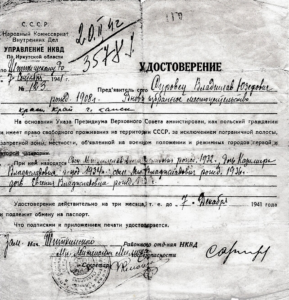
Amnesty certificate dated 7 September 1941 in Irkutsk for Władysław Błażków and his family .
Poles released from the gulags enlist for the Polish Army
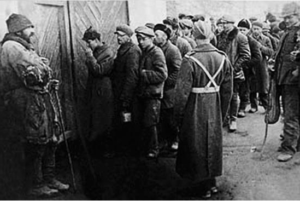
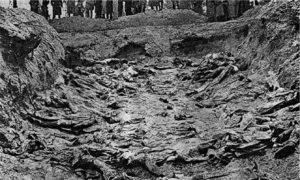
Mass grave discovered in 1942 in Katyń
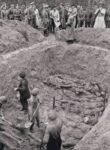
Exhumations of murdered soldiers
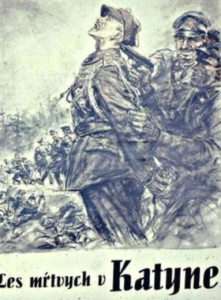
Nazi propaganda poster with caption in Slovak “Forest of the Dead at Katyn”.
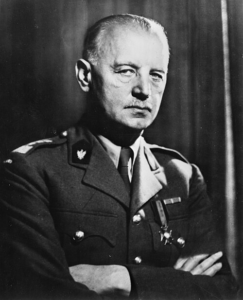
General Władysław Sikorski, Prime Minister of Polish-Government-Exile
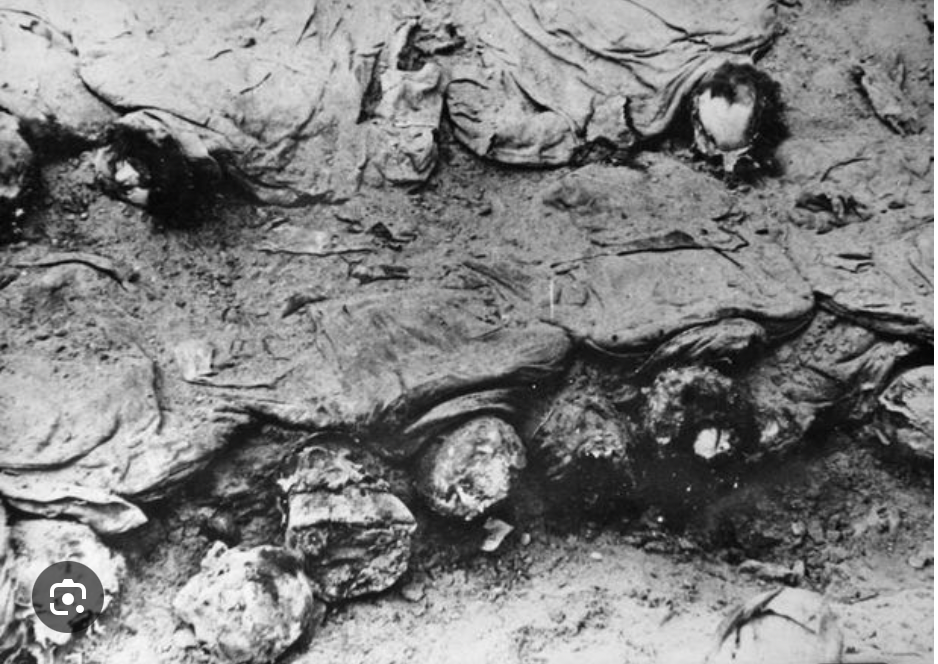
Corpses unearthed during the German investigations in 1943
International commission under German auspices examine bodies of Polish officers.

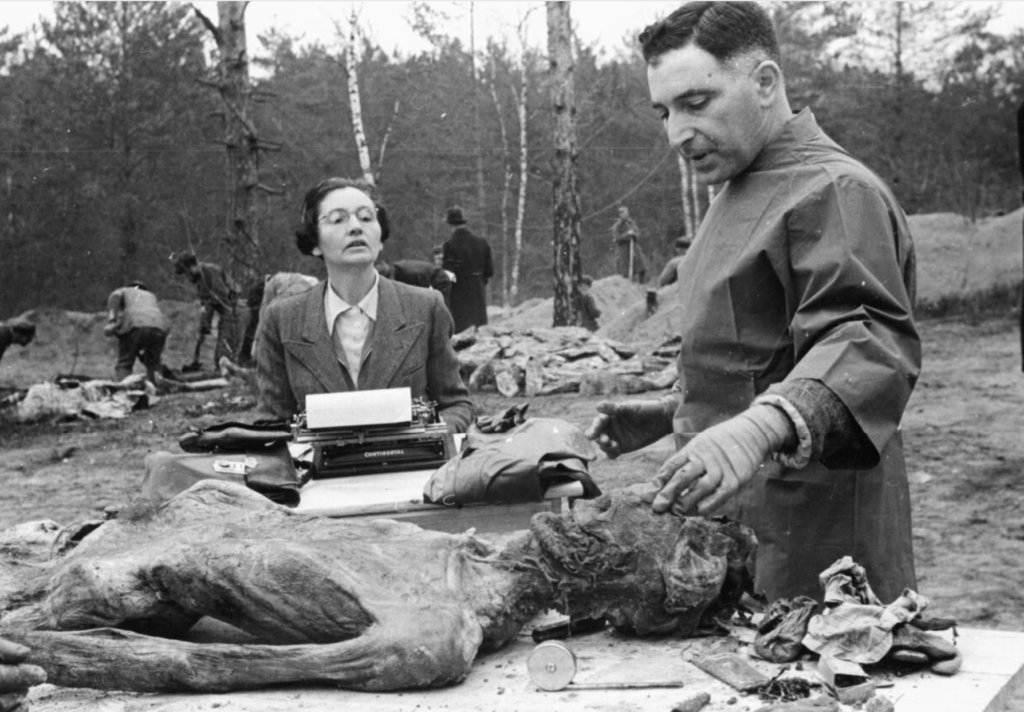
Dr. Vincenzo Palmieri, forensic scientist, International Medical Commission April 30 1943
Lt Col. John H Van Vliet (third from left behind British Officer) with German officers viewing an autopsy
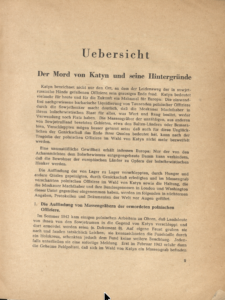
Report by the International Medical Commission – Berlin 1943
Vliet’s report was discovered in US National Archives in November 2013.
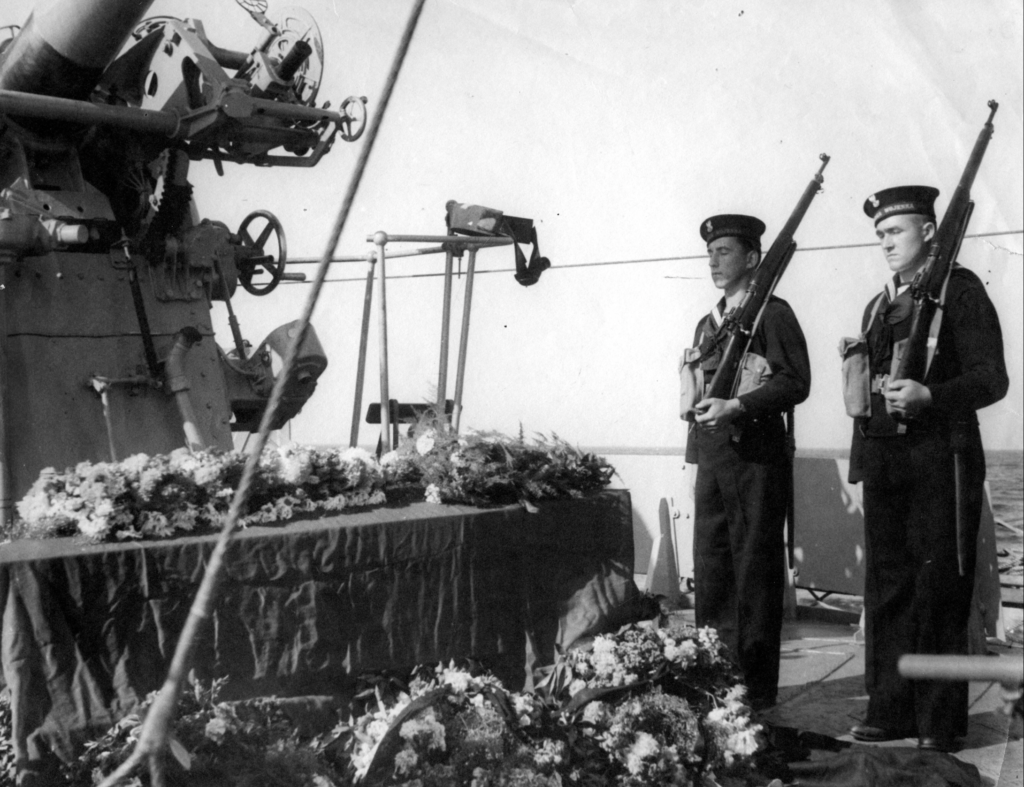
Sikorski’s coffin on board ORP “Orkan” on route from Gibraltar to UK
Members of the Burdenko Commission examine remains found in the Katyń forests
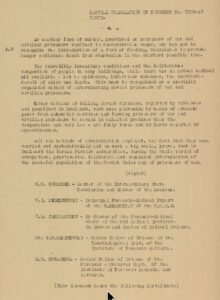
Concluding page of Burdenko report placing responsibility on Germany
Photo taken in 1943 by German investigators
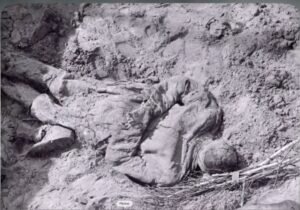
Tied then shot
Evidence of the execution method
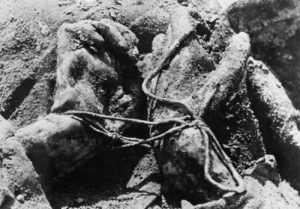
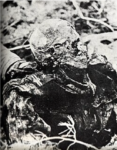
Remains of Major Teofil Solski
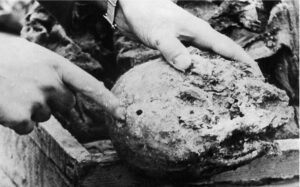
Evidence of method of execution
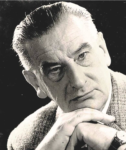
Józef Mackiewicz
Ray Madden, Chair opf the House Investigation Committee
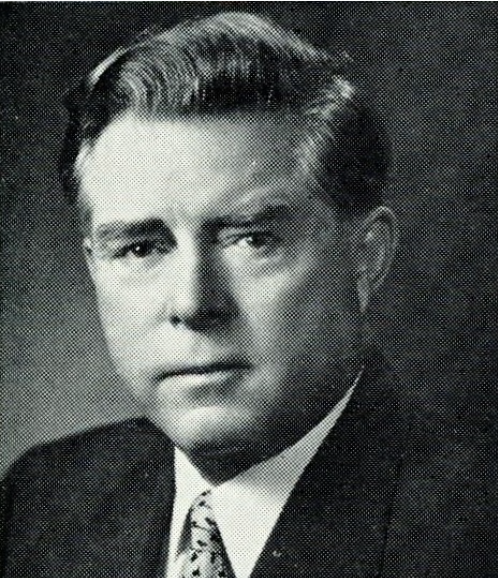
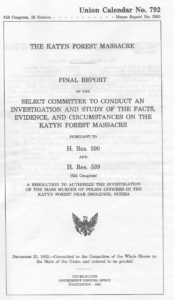
Madden Report
Soviet investigation in Bykownia
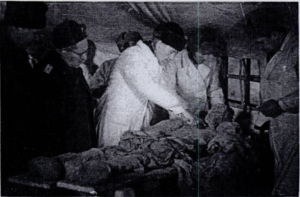
Soviet investigation in Bykownia
Unveiling of Katyń memorial in Gunnersbury cemetery

Personal items uneathed at Bykownia
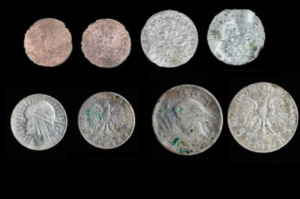
Coins unearthed in graves in Bykownia
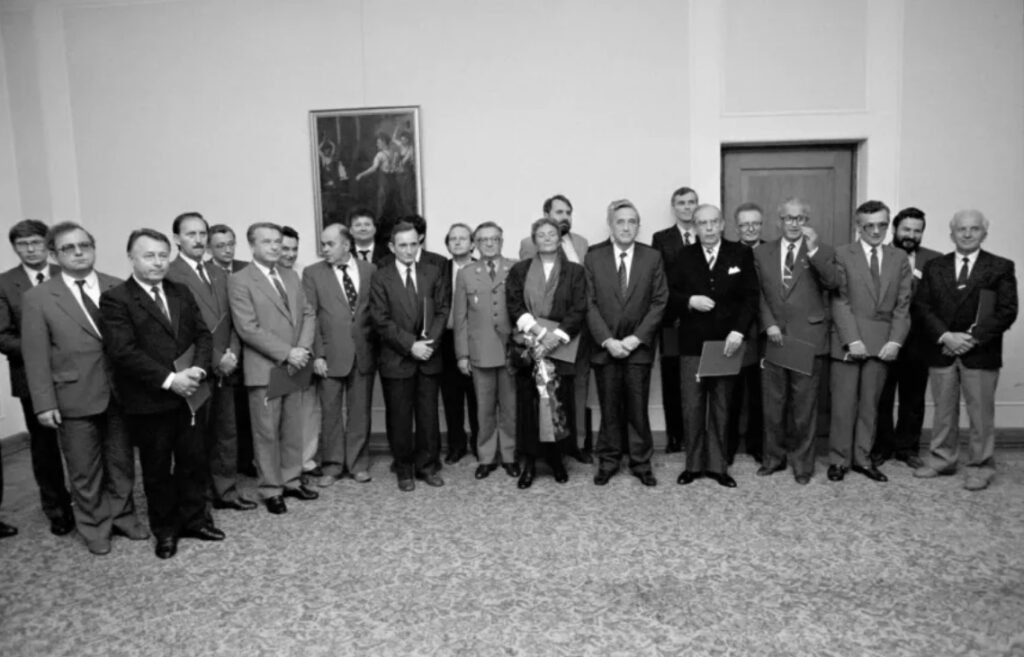
Mazowiecki’s Minister’s of state
Mazowieki on the election campaign
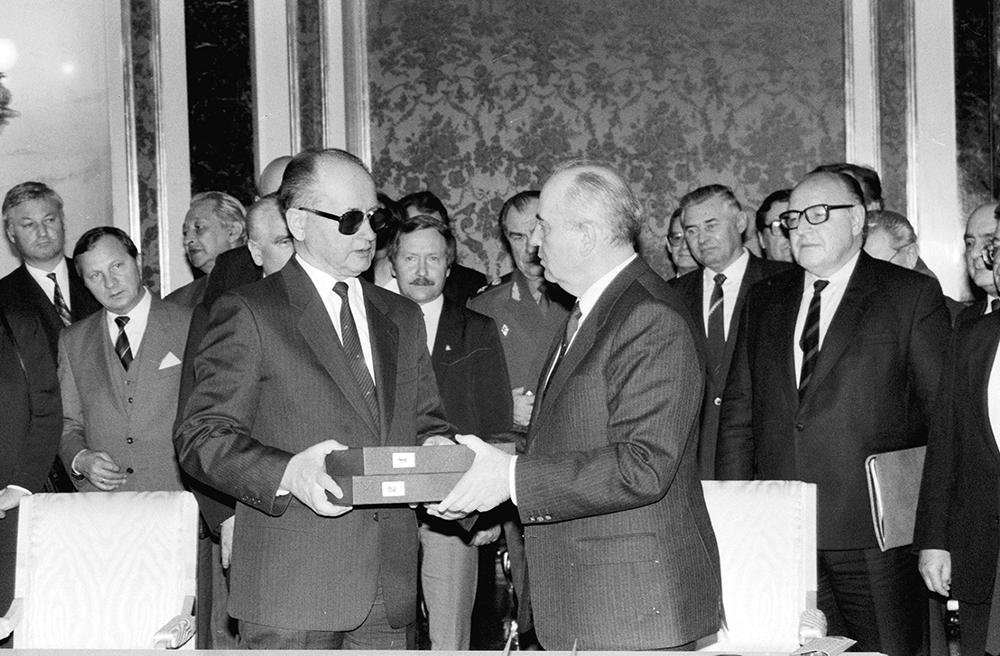
President Jaruzelski receives Katyń files from President Gorbachev
Front page report 14 April, 1990
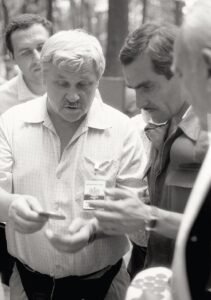
Stefan Śnieżka, at work in Piatychatki
Osteological collection Piatychatki 1991
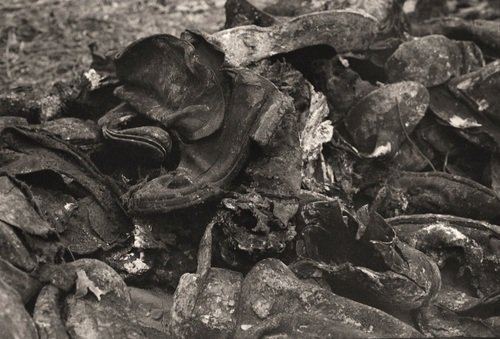
Boots of victims unearthed at Piatichaty
Mass held in 1991, on 10 September in the Piatychatki burial site
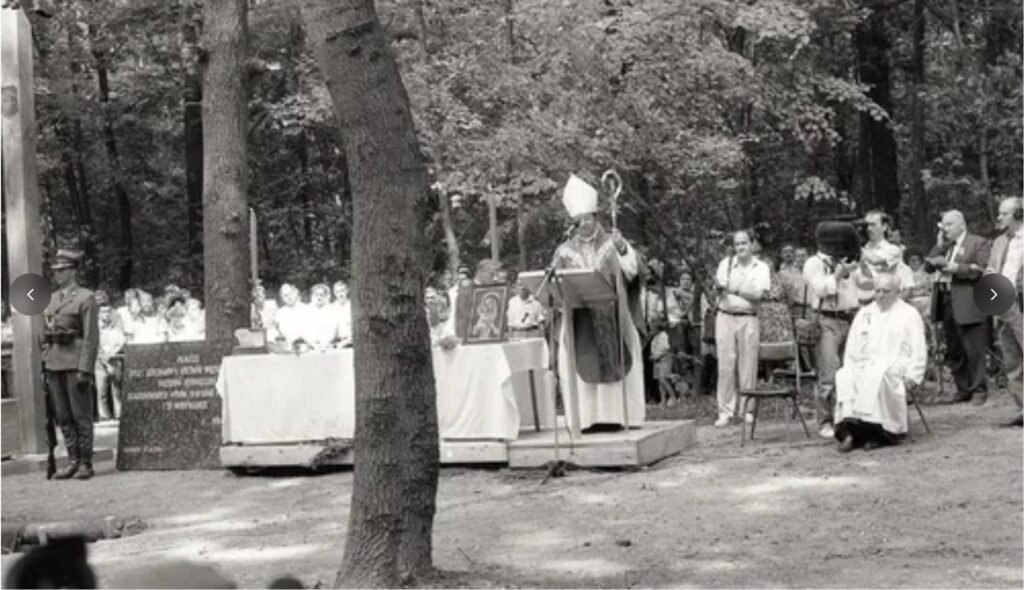
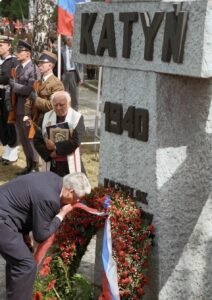
Boris Yeltsin in Warszawa with Father Peszkowski, chaplian to the Katyń families
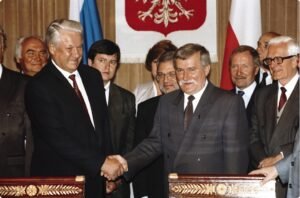
President Boris Yeltsin with President Lech Wałęsa
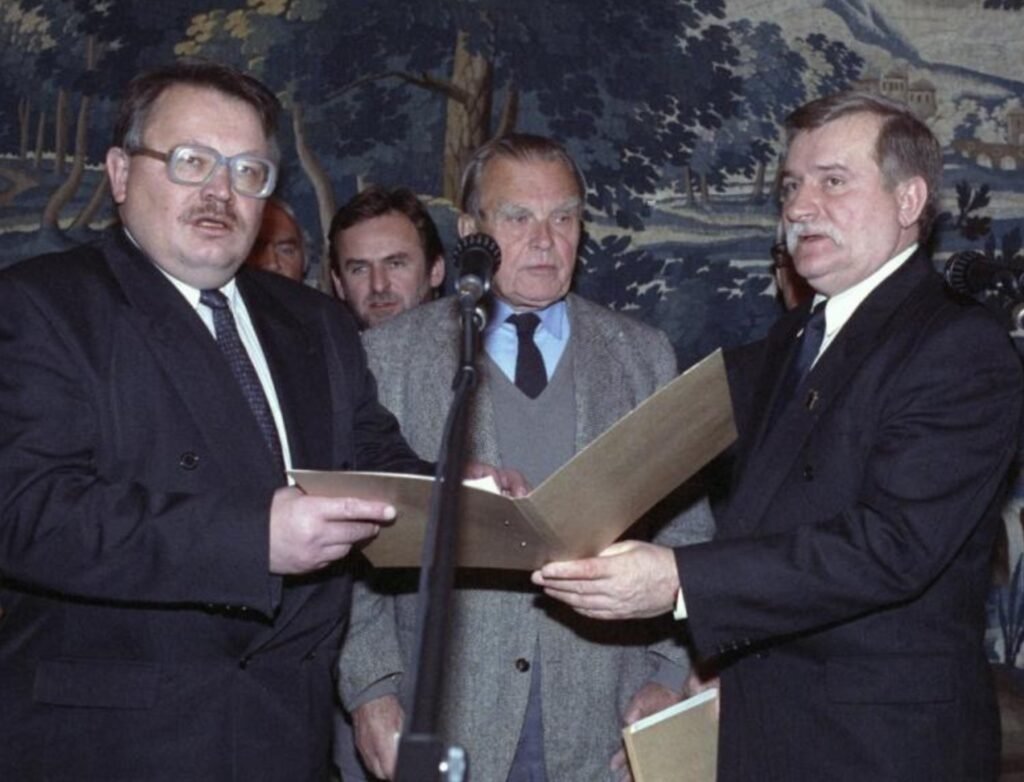
Russia’s Chief State Archivist, Rudolf Pichoja, presents copies of documents relating to the Katyn massacre; Czesław Miłosz is pictured in the centre. Warsaw, 14 October 1992.
Katyń Memorial
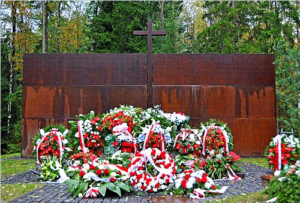
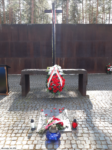
Memorial in Mednoje
Memorial in Piatychatki
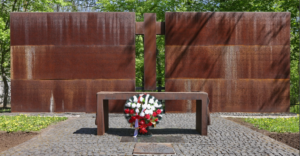
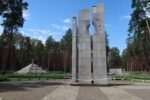
Bykownia memorial
On this site lies the cornerstone for the construction of the Polish military cemetery in Katyń, consecrated by Pope John Paul II.
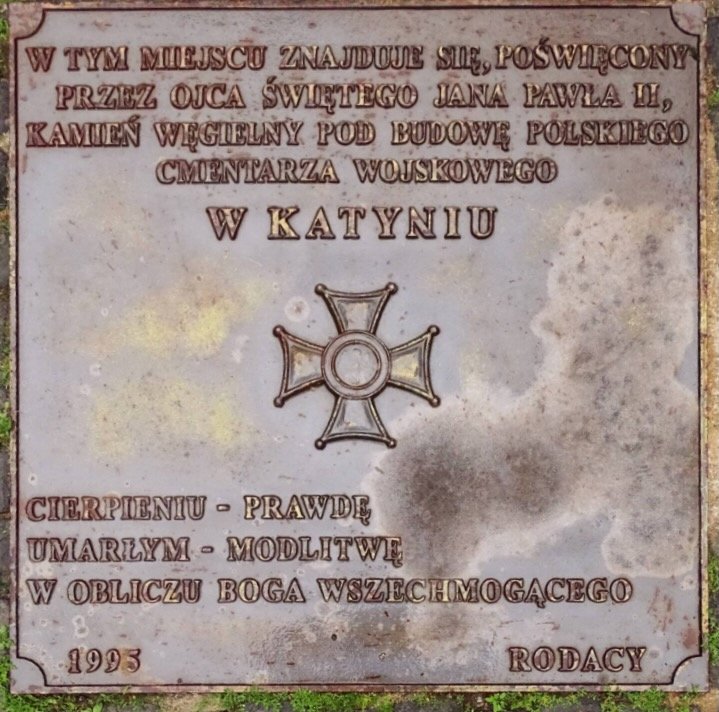
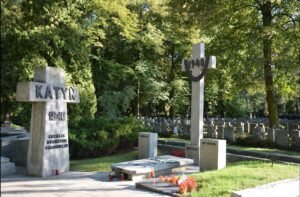
Sady Żoliborskie, Warszawa
Prime Ministers Jerzy Buzek, and Viktor Krystienko at the opening ceremony of the Katyń Memorial Complex
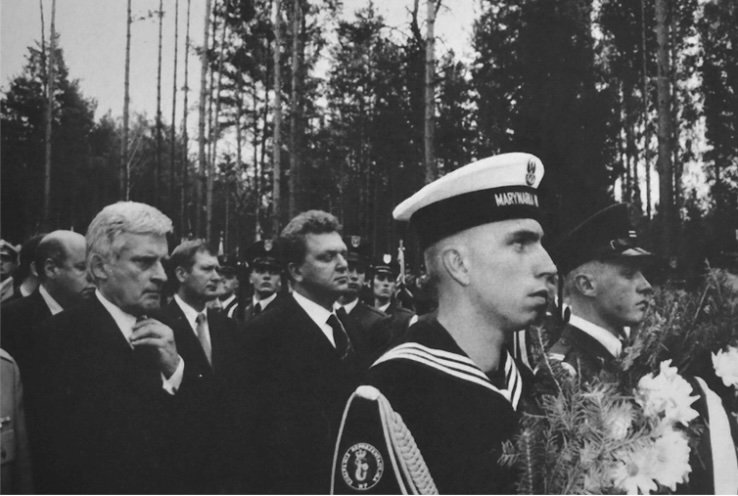
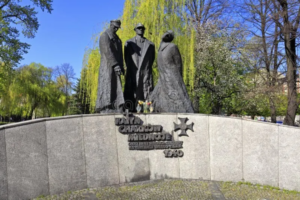
Katowice, Poland
Cinema poster for Wajda’s film

Katyń Memorial Day
70th anniversary commemorated by Prime minister Donald Tusk and President Vladimir Putin.
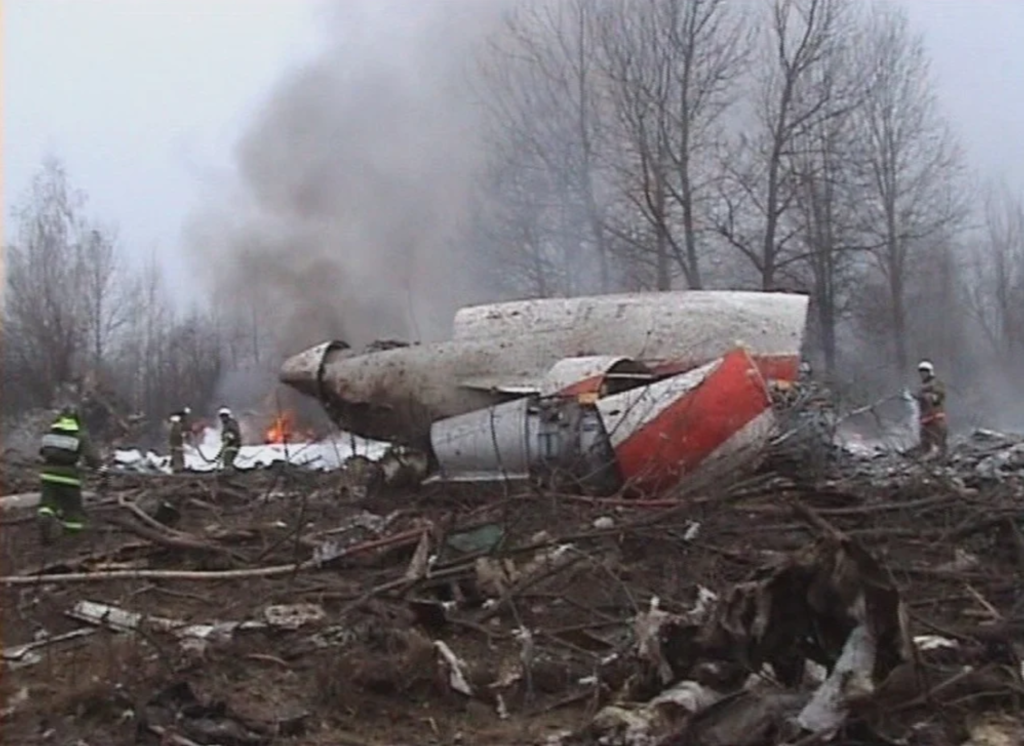
The cause of the crash has not been conclusively confirmed amid many conspiracy theories
Return of victims from Smoleńsk
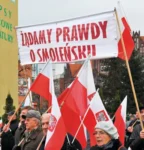
We demand the truth about Smoleńsk
Presidents Bronisław Komorowski and Dmitrij Medvedev at Katyń commemoration on 11 April 2011

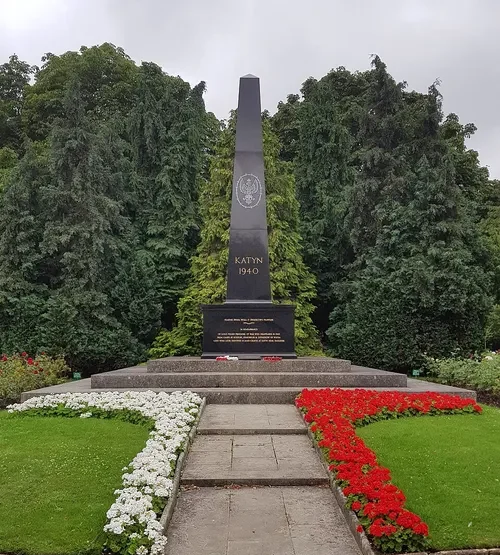
Memorial in Gunnersbury cemetery. Its inscription reads, The conscience of the world calls for the truth”.
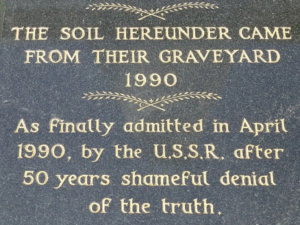
Plaque on the Gunnersbury cemetery memorial iinstalled in 1990
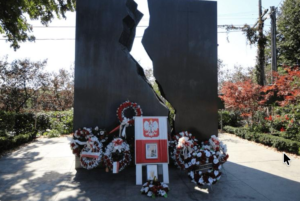
Toronto, Canada
Hrodna– Grodno, Belarus
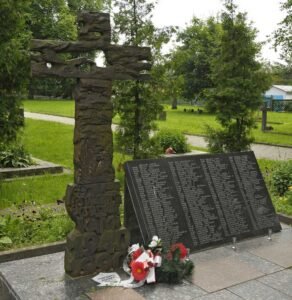
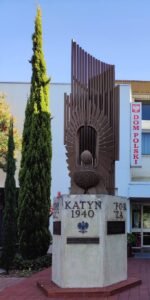
Adelaide, Australia
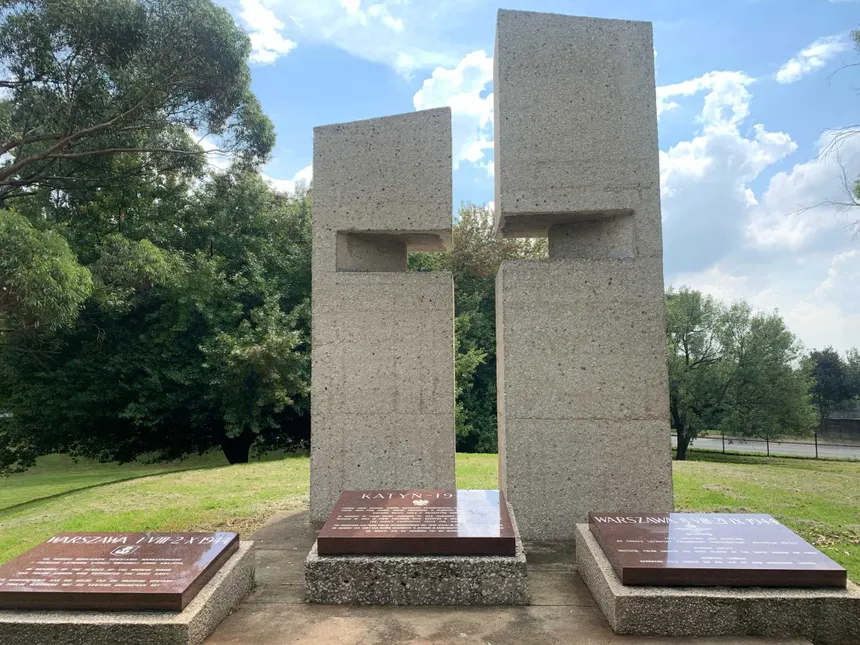
Johannesburg, South Africa
Jersey City, USA
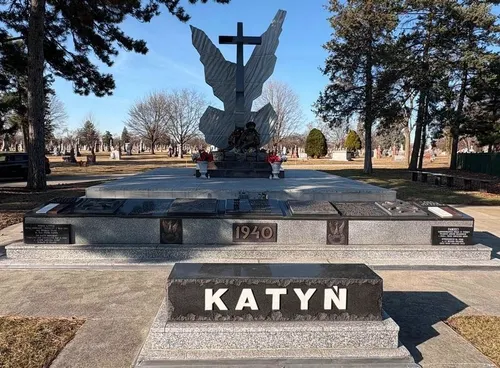
Illinois, USA
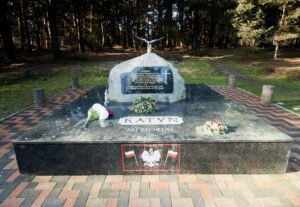
Cannok Chase, UK
Huta Szkalan, Sląsk, Poland
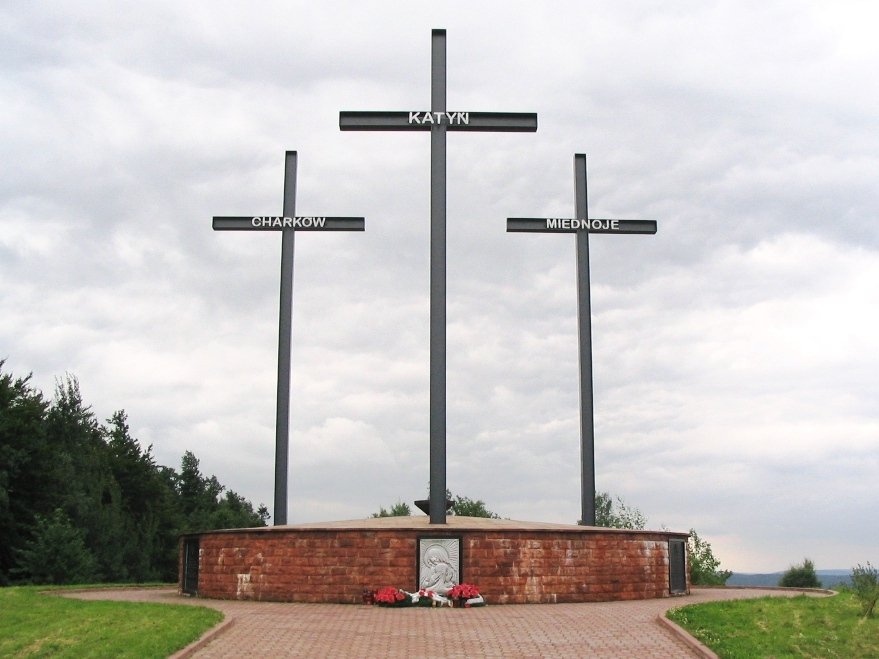
Footage of Smoleńsk tragedy set to the poem by Bułat Okudżawa sung by Jakub Laskowski
Along this road to Smoleńsk, the forest stands so dense,
Along this road to Smoleńsk,, a long line of poles stretches on.
Above this road to Smoleńsk, the glow of two stars filters through,
Like your eyes—distant evening stars peeking from behind the clouds.
Above this road to Smoleńsk,, the glow of two stars filters through,
Like your eyes—distant evening stars behind the clouds.
On this road to Smoleńsk, the wind lashes my face.
Why did I leave my warm little corner? Ah, who knows!
Perhaps I’d never have been tempted by this long march,
If just once two hands had wrapped around my neck.
Perhaps I’d never have been tempted by this long march,
If just once two hands had wrapped around my neck.
Along this road to Smoleńsk, a silent, empty forest,
Along this road to Smoleńsk, a string of lonely poles.
Above this road to Smoleńsk,the glow of two stars seeps through,
Like your eyes—distant and cold stars from behind the clouds.
Above this road to Smoleńsk, the glow of two stars seeps through,
Like your eyes—distant and cold stars from behind the clouds.